
Starry Sky
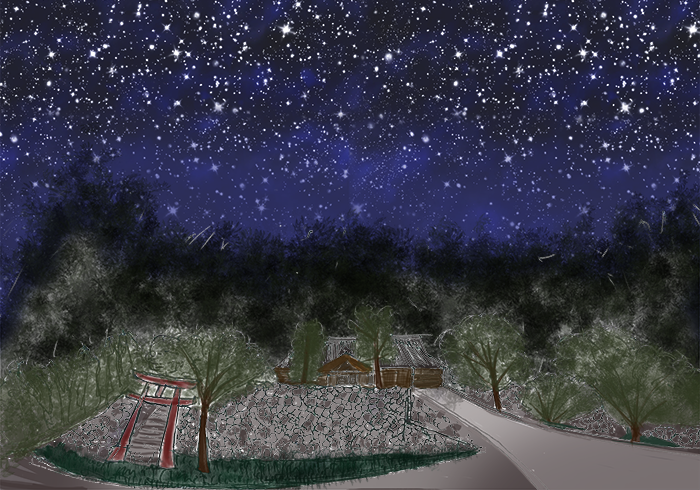
Situated on a hilltop surrounded by countryside with very few streetlights nearby, you can fully enjoy a brilliant, star-filled sky on clear nights. As evidenced by the nearby Akanedaira—a location famous for stargazing—Kitaibaraki City offers a breathtaking natural environment that cannot be experienced in the city. Around late June, you might even spot fireflies fluttering through the night air. Why not turn off the indoor lights and relax on the veranda (engawa) to gaze out at the surrounding scenery and the open sky?
Stargazing
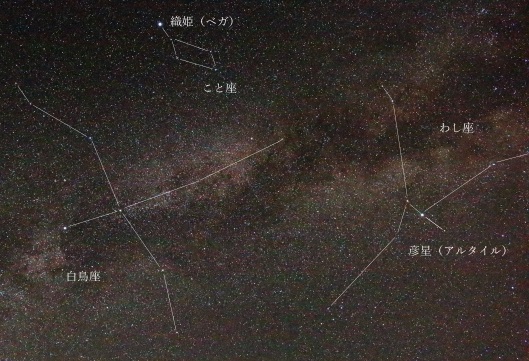
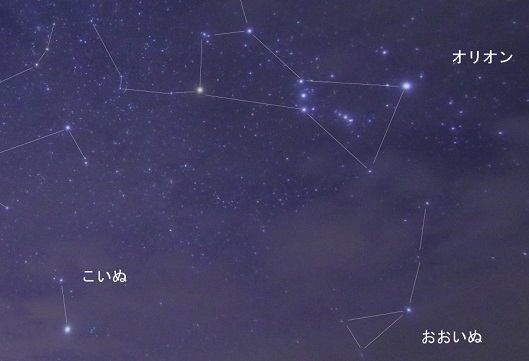
Compared to the city, the number of stars visible from Kominka Marcelo is overwhelmingly vast. On a clear night, you can even catch a clear view of the Milky Way. We also recommend planning your stay to align with celestial events such as meteor showers. However, please note that constellations can be harder to spot when there is a full moon. If you want to see as many stars as possible, a new moon or a night close to it is the best time to visit. Try spotting some of the famous seasonal constellations below amidst the star-filled sky:
Summer:Cygnus,Aquila,Lyra (Summer Triangle)
Winter:Canis Major,Canis Minor,Orion (Winter Triangle)
Moon Watching
Otsukimi (Moon Viewing)
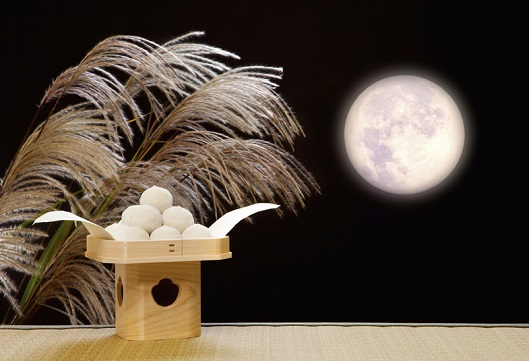
September (during the Mid-Autumn Harvest Moon) and October offer the best season to view the moon at its most stunning, depending on the weather. Prepare rice dumplings (dango) and Japanese pampas grass (susuki) to experience authentic traditional Japanese moon viewing.
Supermoon
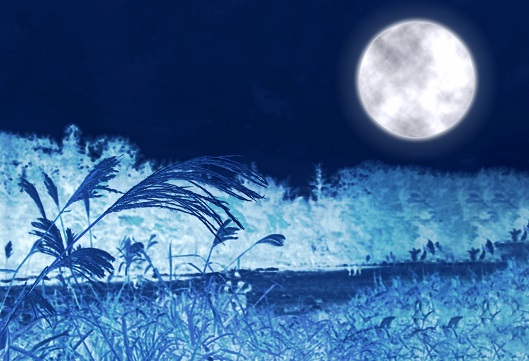
This phenomenon occurs when a full moon coincides with the moon’s closest approach to Earth, making it appear 15% to 30% larger than an average full moon. It happens roughly once a year.
Strawberry Moon
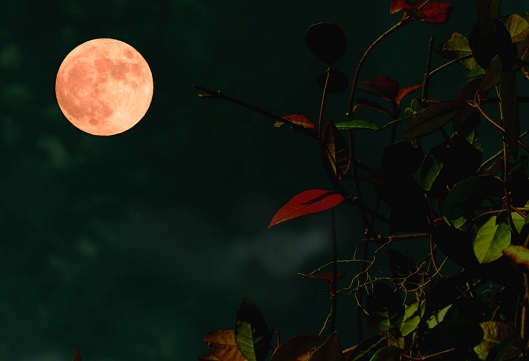
The full moon seen in June. Because the moon sits lower in the sky during June, it tends to take on a reddish hue. Also known as the “moon that grants love,” it creates a truly romantic atmosphere.
Lunar Eclipse
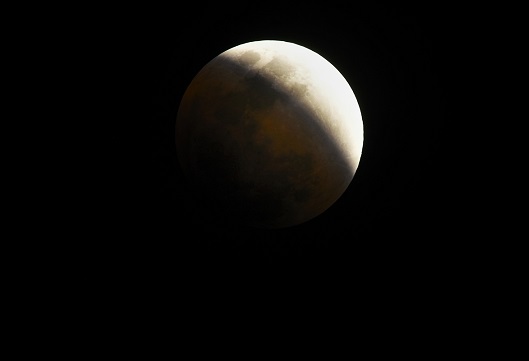
An eclipse occurs when the Earth passes directly between the sun and the moon, casting Earth’s shadow across the lunar surface and causing a full moon to appear partially obscured. It can be observed roughly once every year or so.
Preparation & Tips
Telescopes can be difficult to set up and are prone to damage, so they may be challenging for stargazing beginners. Instead, we recommend bringing a star chart, a flashlight (a red light designed for stargazing is best), and warm clothing if visiting in winter.